.jpeg)


Victims of the Khojaly genocide commemorated in ATU Gagauzia
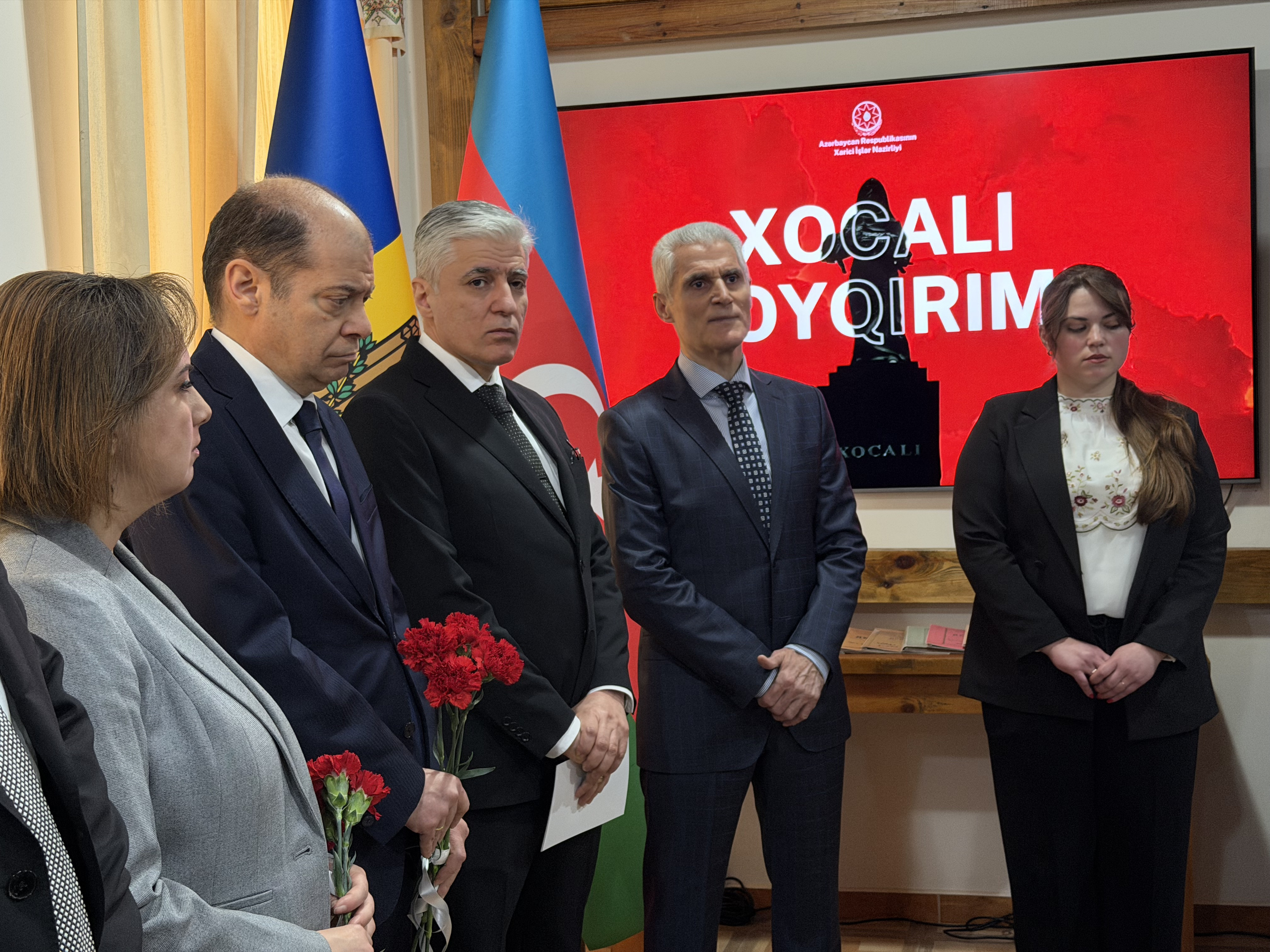
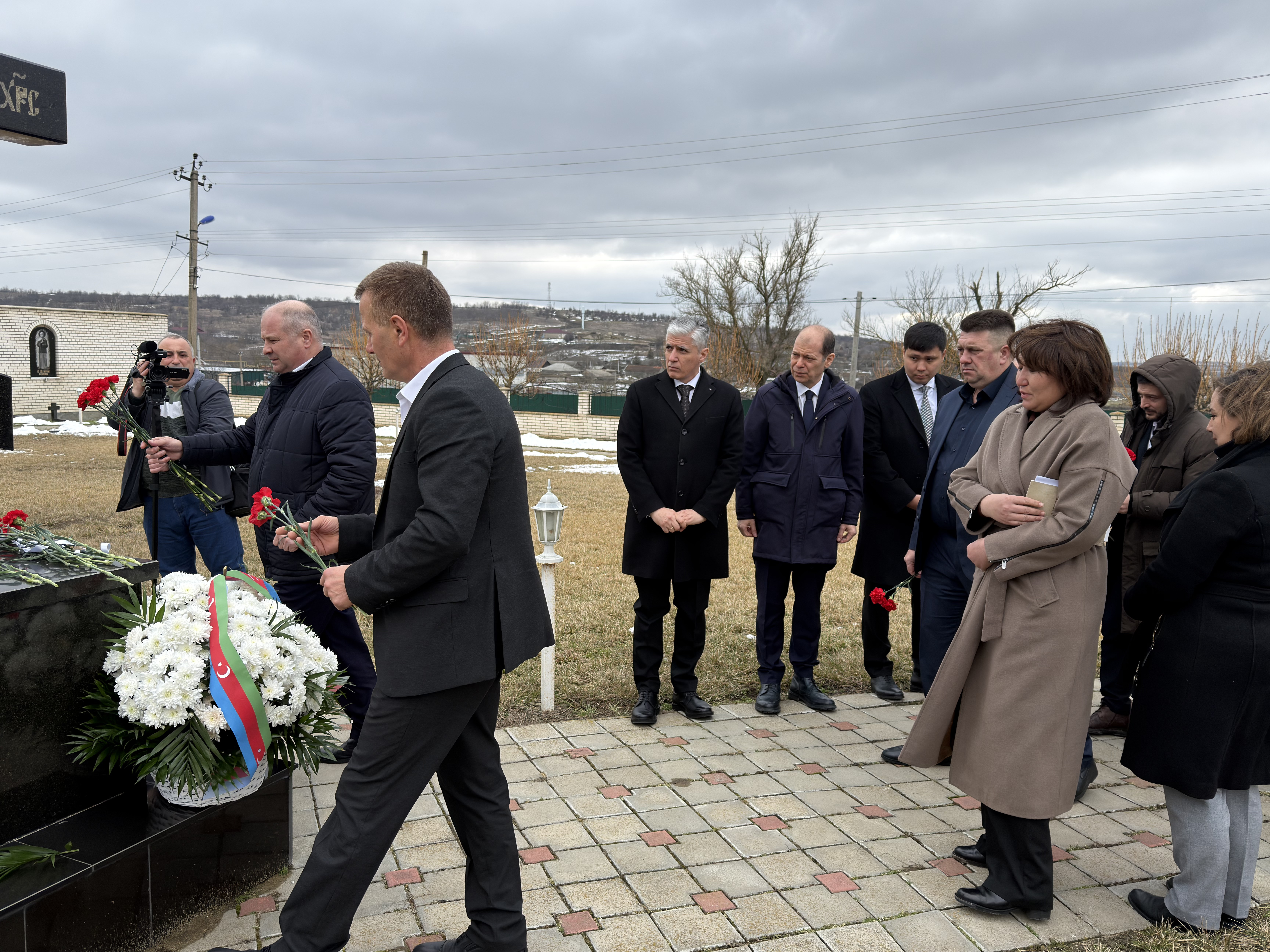
The Embassy of the Republic of Azerbaijan to the Republic of Moldova hosted a commemorative event at the History Museum in the village of Avdarma, ATU Gagauzia of the Republic of Moldova, on the occasion of the 34th anniversary of the Khojaly genocide.
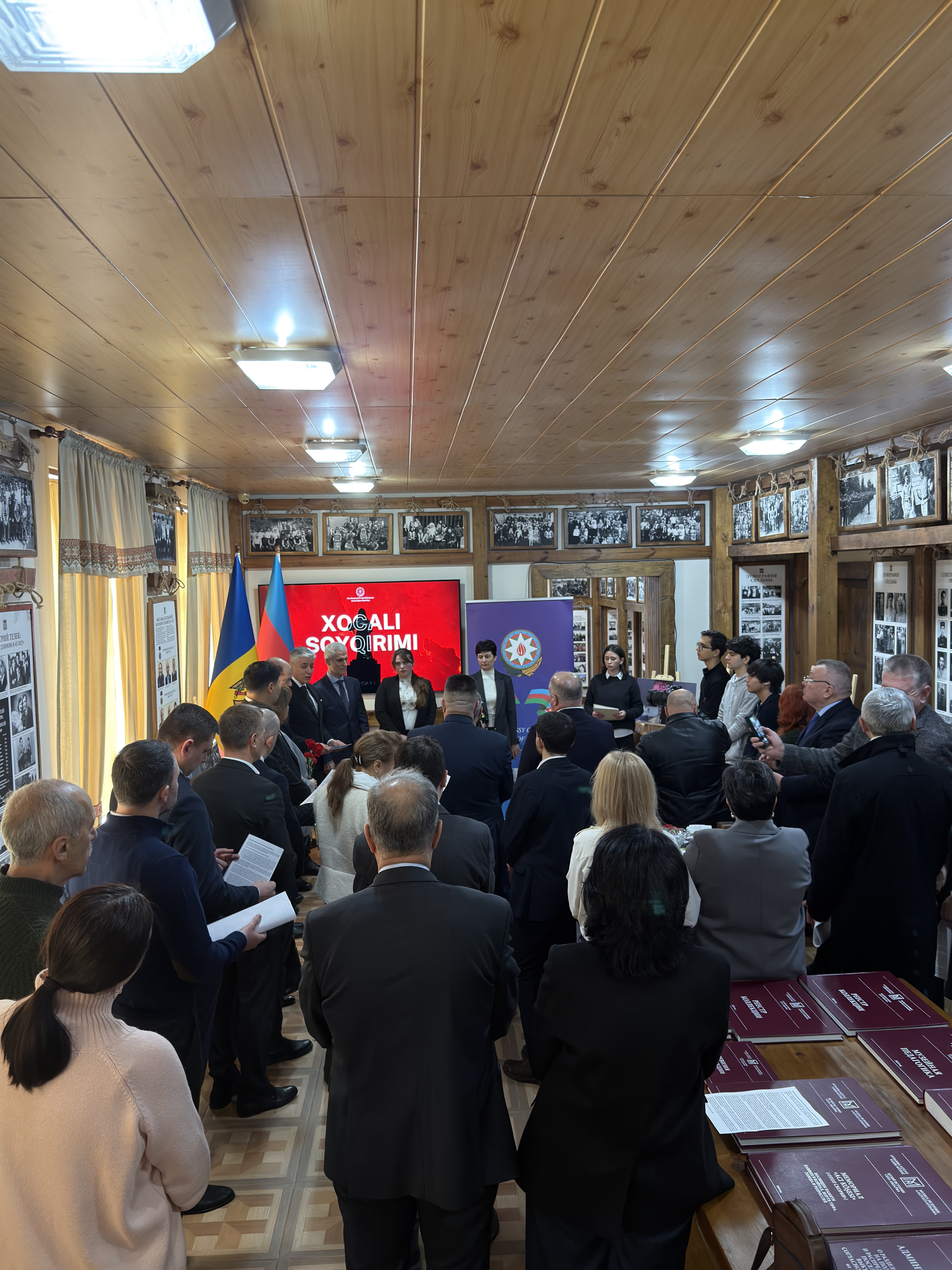
The commemorative event was attended by heads and representatives of diplomatic missions accredited to the Republic of Moldova, the mayors of Comrat, Ceadir-Lunga, and Vulcanesti, public figures, teachers, and Azerbaijani students from Comrat State University.
The event began with a minute of silence in memory of the victims of the Khojaly genocide. Speaking at the event, the Ambassador of the Republic of Azerbaijan to the Republic of Moldova, Ulvi Bakhshaliyev, informed participants about the bloody events that took place on the night of February 25-26, 1992, in the town of Khojaly. The diplomat reiterated that the Khojaly genocide is one of the most terrible tragedies faced by the Azerbaijani people in the 20th century.
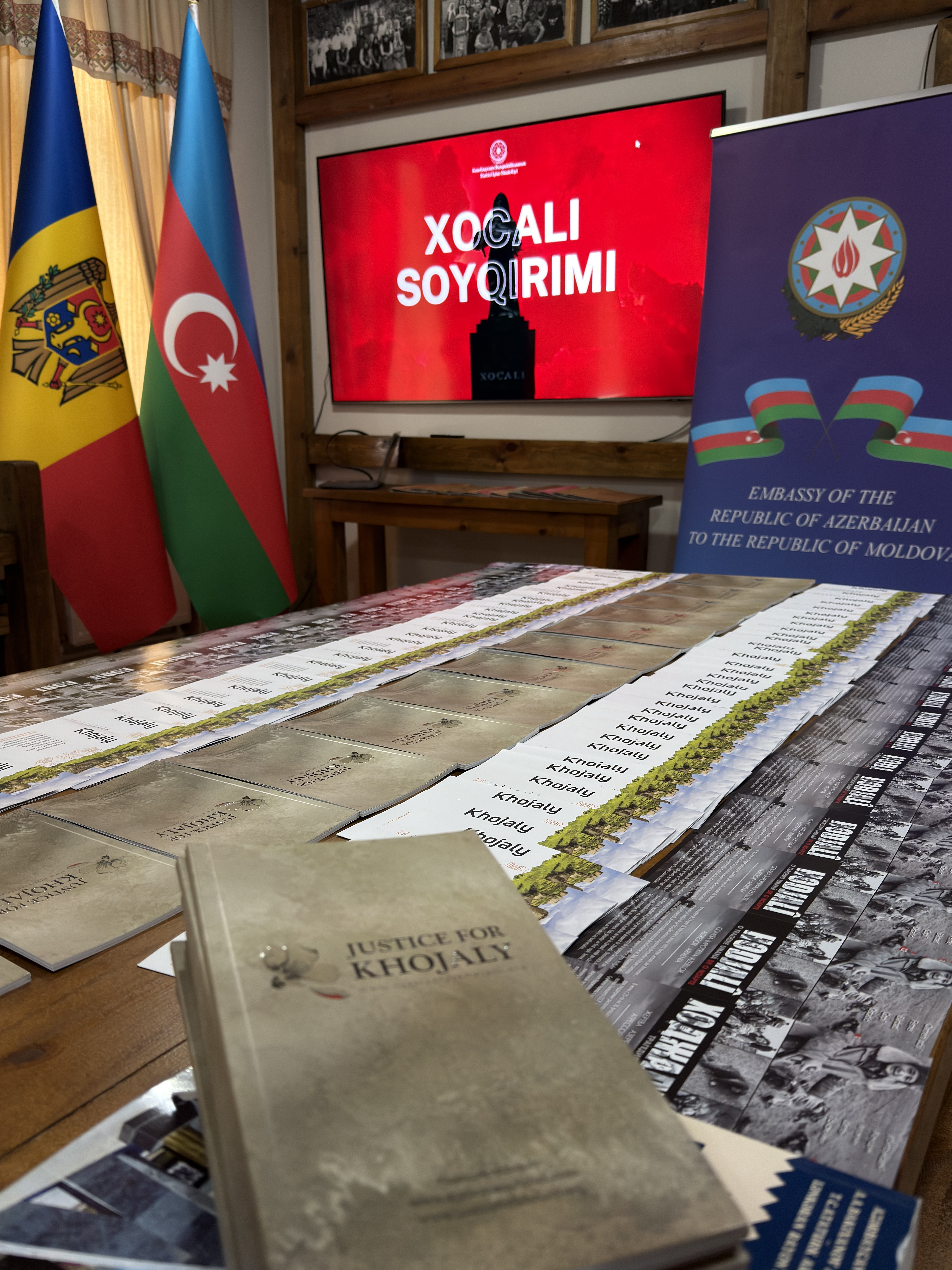
The Ambassador stressed that, on the initiative of the National Leader of Azerbaijan, Heydar Aliyev, this tragedy was first given a political assessment, and February 26 was declared Khojaly Genocide Day. He also noted the role of the information campaign "Justice for Khojaly!" launched in 2008 by Leyla Aliyeva with the aim of spreading the truth about the Khojaly tragedy to the international community.
The Ambassador also mentioned that on February 26, President of the Republic of Azerbaijan Ilham Aliyev, First Lady Mehriban Aliyeva, and members of his family attended the opening ceremony of the Khojaly Genocide Memorial in the city of Khojaly.
In his speech, the museum's founder, Ignat Cazmali, spoke about how he witnessed the suffering and tragedy of the Azerbaijani people during the events of January 20 and the Khojaly genocide, while studying in Baku at the time.
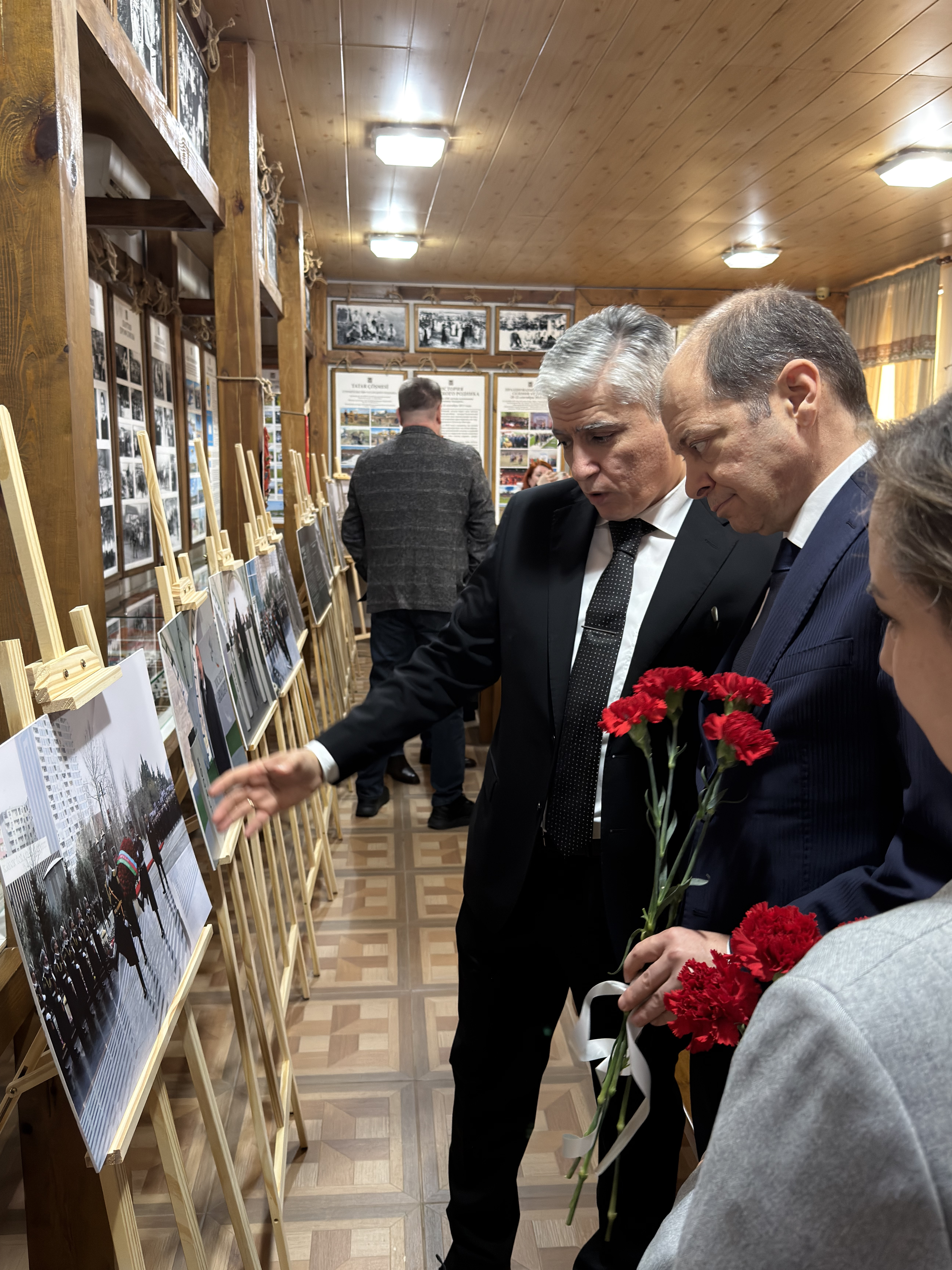
Afterwards, the participants got acquainted with a photo exhibition dedicated to the Khojaly genocide. During the event, flowers were laid at the Memorial to the victims of organised famine of Gagauz people in 1946-1947, which is near the museum.